

UPDATES ON EDUCATION RESEARCH AND POLICY
NEW POSTS WEEKLY!
We want to help lawmakers, educators, and families make decisions about education by providing updates on national, regional and Missouri-specific research. While we strive to be objective, we want to facilitate discussion and will occasionally offer our own views on this blog.
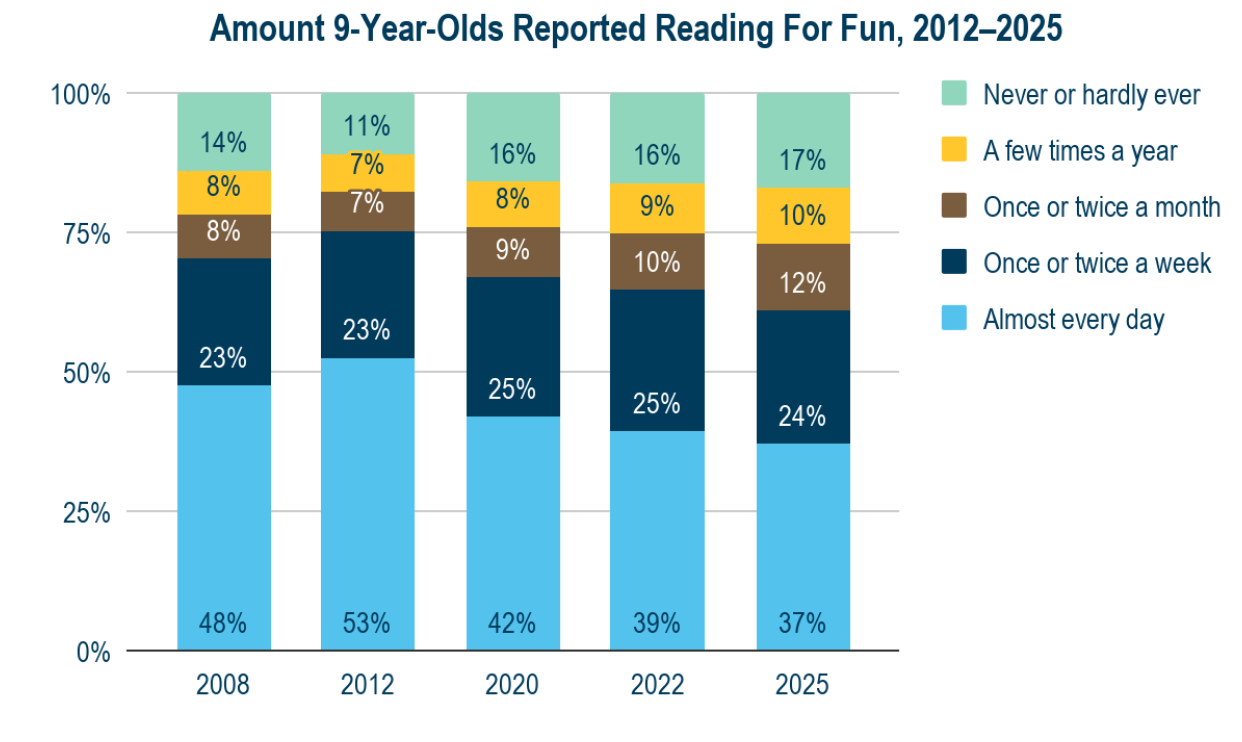
3 Things We Learned About 9-Year-Olds From the 2025 NAEP Long-Term Trends Report
In 2025, NAEP administered its quadrennial Long-Term Trends Assessment for 9- and 13-year-olds. Today, we are going to be looking at three things we learned about 9-year-olds from the recently released results.
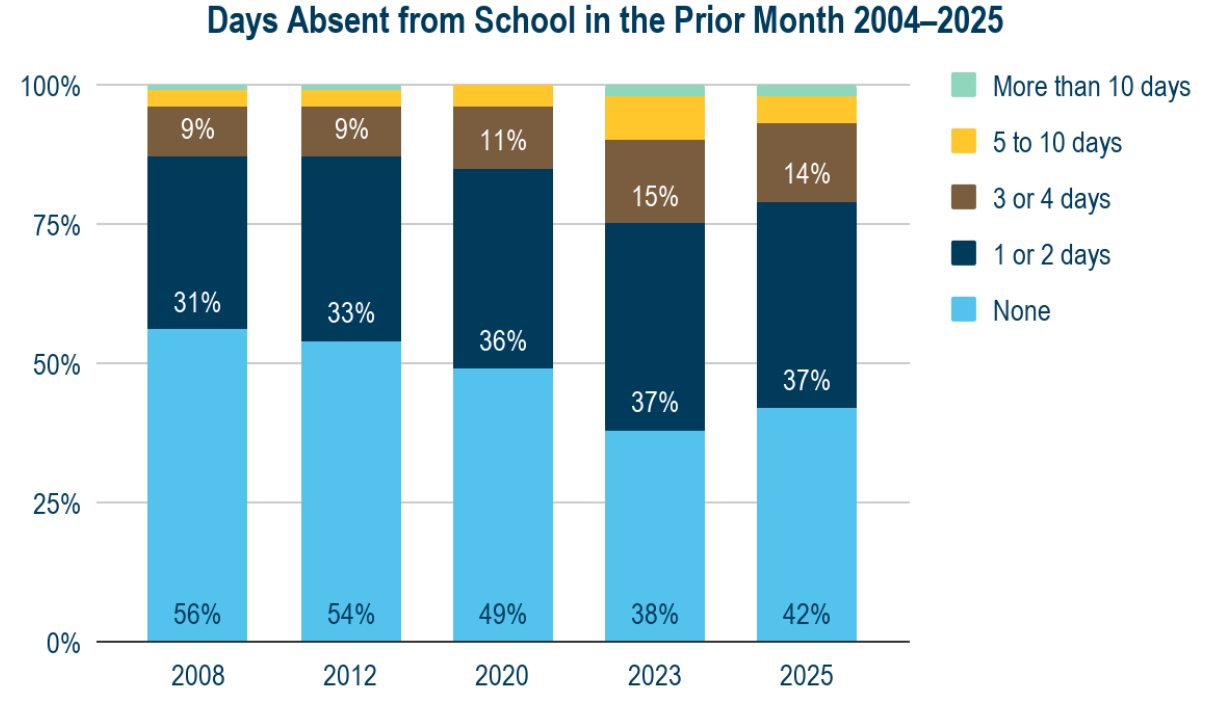
3 Things We Learned About 13-Year-Olds From the 2025 NAEP Long-Term Trends Report
In 2025, NAEP administered its quadrennial Long-Term Trends Assessment for 9- and 13-year-olds. Today, we are going to be looking at three things we learned about 13-year-olds from the recently released results.
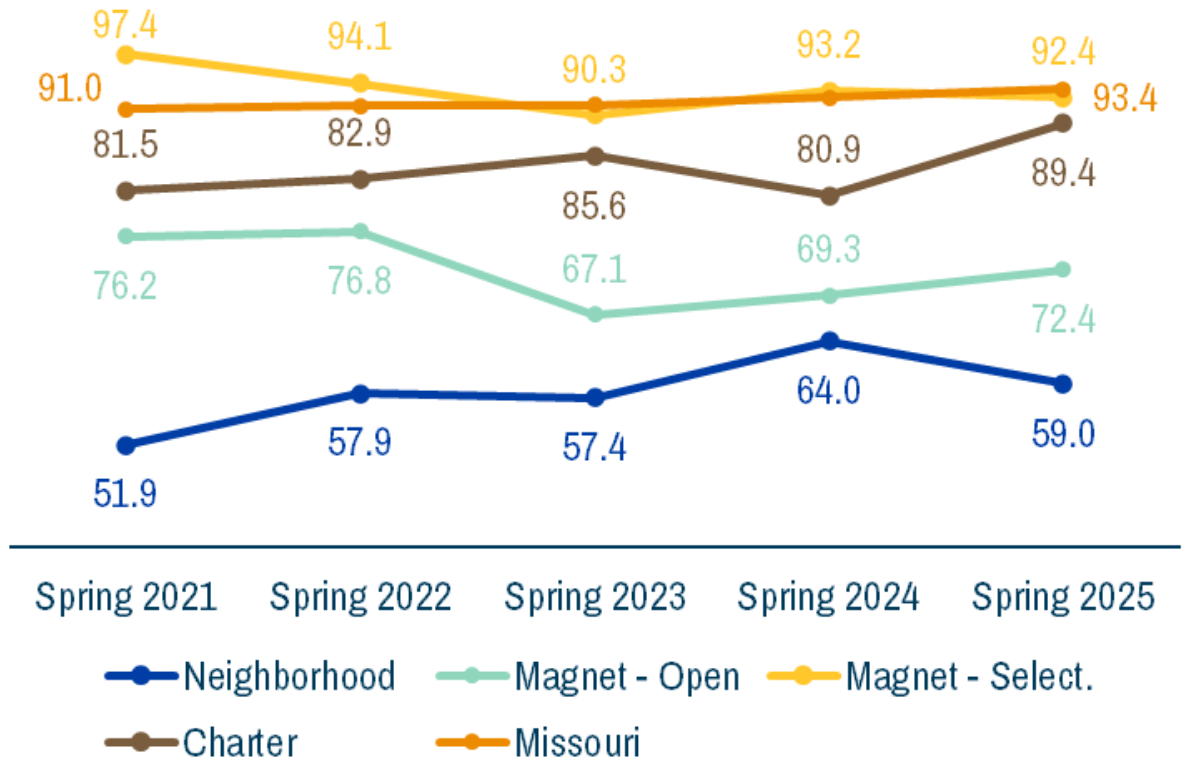
Academic Proficiency and Graduation Rate Trends Across Four Types of Public Schools in St. Louis City
Here we report on the percent of students who are scoring at the proficient or advanced levels in ELA and math, for schools serving elementary and middle-grade students.
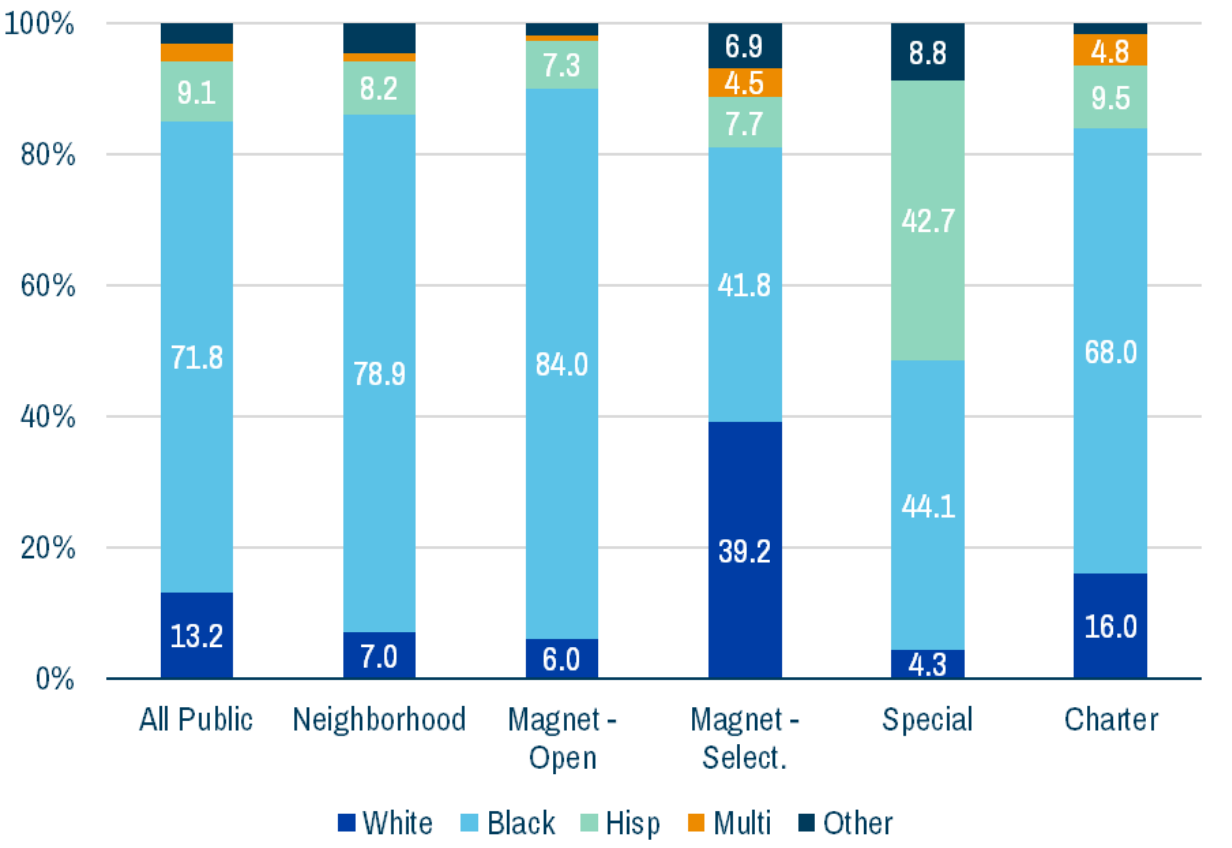
Racial Demographics & Poverty Rates Across Five Types of Public Schools in St. Louis City
In this third blog in a four-part series, we examine demographic trends from fall 2019 through fall 2024 across five types of public schools in St. Louis City.
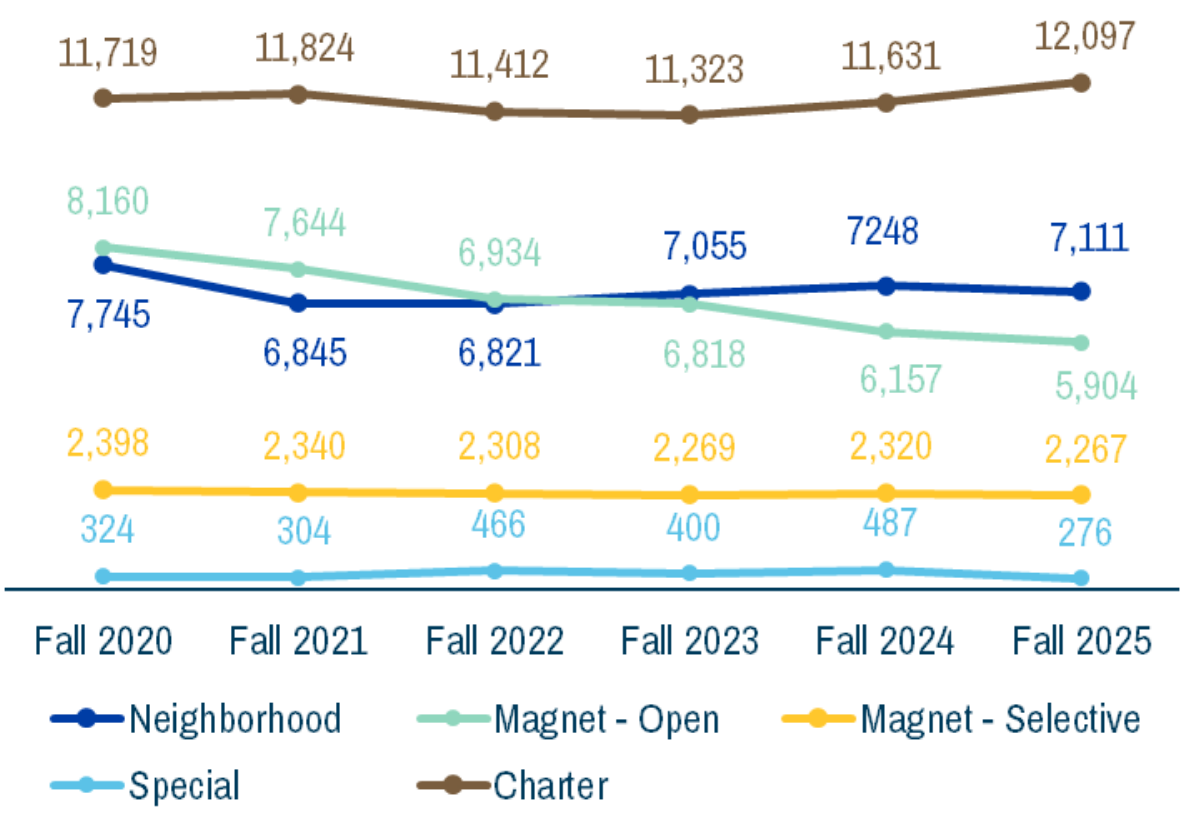
Enrollment Trends Across Five Types of Public Schools in St. Louis City
In this second blog of a four-part series, we examine enrollment trends from fall 2020 through fall 2025 across five types of public schools in St. Louis City

Count Day in Missouri
Every fall and winter, Missouri schools take part in what may seem like a routine data task: reporting student enrollment on Count Day. But this process is more than a clerical requirement. The numbers submitted on these days drive state funding, federal allocations, and accountability systems that shape the resources and opportunities available to students across the state.

PRiME In the News: PRiME’s Dr. Courtney Vahle discusses Missouri absenteeism
In April, PRiME’s Director of Operations, Dr. Courtney Vahle, sat down with KOMU 8 and Fox23 NOW to discuss chronic absenteeism and her corresponding co-authored report, Empty Desks: An Analysis of Chronic Absenteeism in Missouri Schools (co-authored with PRiME affiliate researcher, Dr. Margaret Powers).

PRiME In the News: Collin Hitt on Homeschooling in Missouri
This report, focused on homeschooling in Missouri, found through estimations that of the over one million school-aged children in Missouri, 61,000 (6% of all school-age children) are homeschooled.

Empty Desks: Key Trends In Chronic Absenteeism in Missouri Schools
The newest data from the Department of Elementary and Secondary Education finds that more than one in five K–12 students were chronically absent in the 2023–24 school year. From 2019 to 2024, nearly 91% of Missouri districts (499 total) have experienced a rise in chronic absenteeism—defined as missing at least ten percent of scheduled school days. Here, we explore key trends from the most recent Missouri attendance data.

Head Count: Enrollment over Time across Missouri, KC Metro and STL Metro
Over the last decade, charter schools in Kansas City and St. Louis metro areas have grown, while traditional public school enrollment has generally declined. However, preliminary data for the 2024-25 school year suggests that some of these trends may be shifting.

Chronic Absenteeism in Missouri Schools
Each year, the Missouri Department of Elementary and Secondary Education provides data on the attendance rates of Missouri students. Here, we provide a brief overview of chronic absenteeism and updated attendance rates in Missouri in advance of our forthcoming policy brief. We also debut PRiME’s interactive maps, this one detailing the most recent proportional attendance rates by district.

Missouri’s School Funding Formula
To calculate school funding, Missouri currently uses a model that estimates the cost of adequately educating a child and subtracts out what can be raised locally through taxes to arrive at the total aid provided to a school. The current model was developed nearly 20 years ago in 2005. There is contention with a few key pieces of the funding formula, some of which were addressed this year with the passage of Senate Bill 727, and some that persist.