
3 Hot Takes: Missouri voters on Four-Day School Weeks, Charter Schools, and School Accountability
By : Natalie Lo
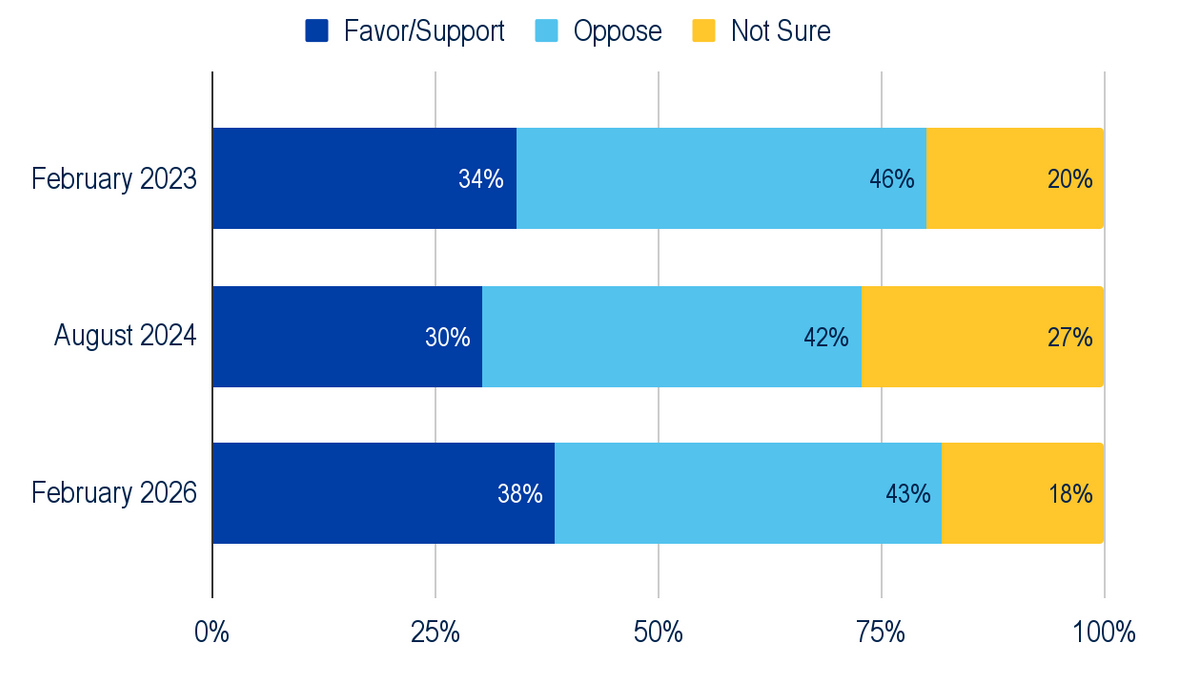
1. 43% of Likely Missouri Voters Oppose Four-Day School Weeks
Currently, one in three Missouri districts operate on a four-day school week. Policies about four-day school weeks are intended to increase teacher retention. Support for four-day school weeks has slightly increased since February 2023, but has still not reached 50% support.
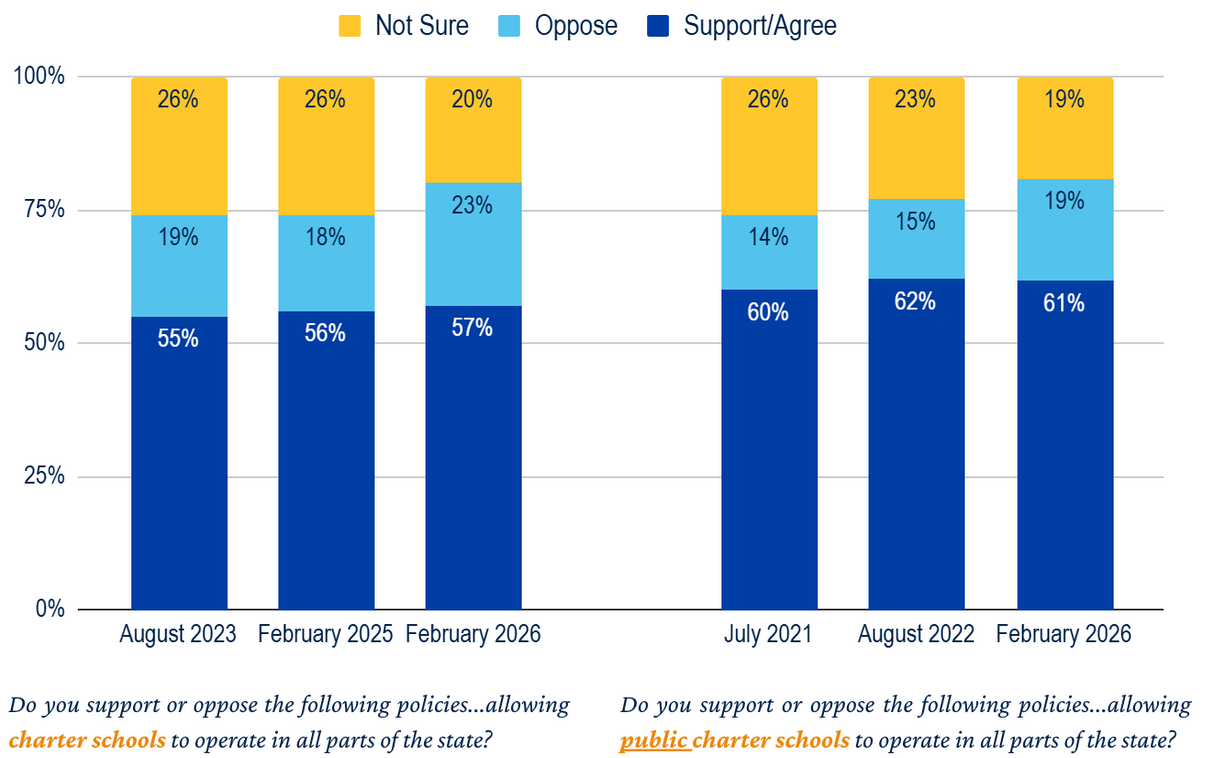
2. 57% of Likely Missouri Voters Support Charter Schools Operating in All Parts of the State.
Senate Bill 727, which passed in 2024, allows charter schools to operate in St. Louis City, Kansas City, and Boone County. Interestingly, 61% of likely voters supported public charter schools operating in all parts of the state. All charter schools are public schools that are privately governed by an appointed board. In prior polling, six out of ten Missouri likely voters believed that charter schools are private.
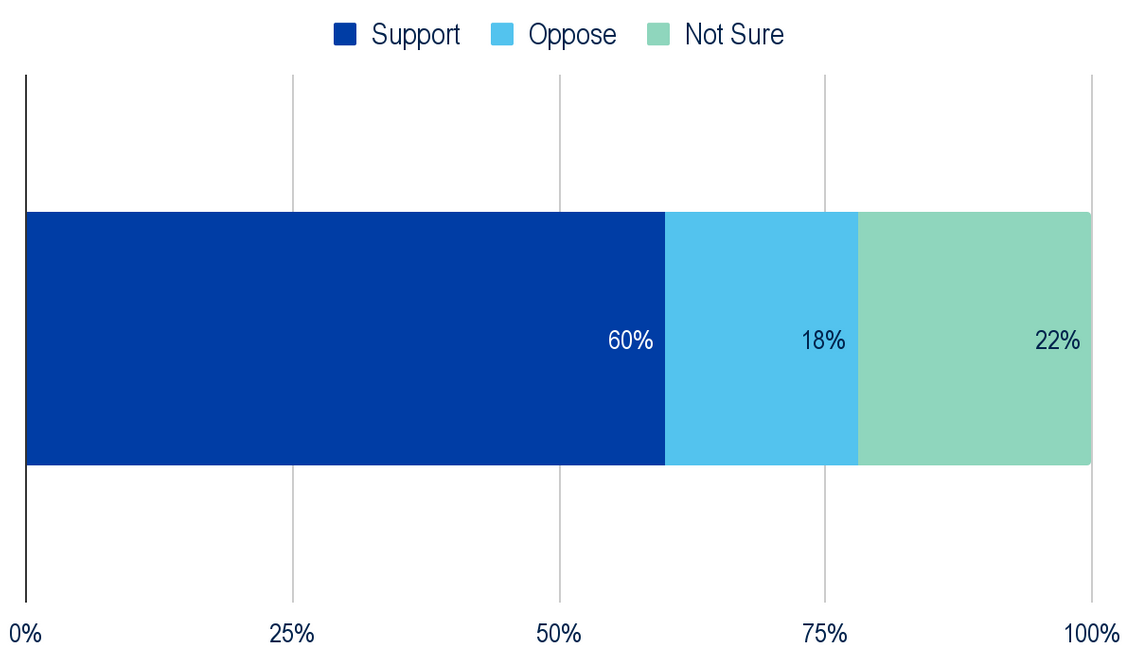
3. A Majority of Missouri Voters Support Annual A - F ‘Grades’ for Public Schools and Districts.
60% of likely Missouri voters support the proposal from the Department of Elementary and Secondary Education to publish annual A-F grades for public schools and districts. The grades would be based on state test results and graduation rates. When asked to grade the public school district where they lived, more than two thirds of voters assigned their school district a grade of ‘C’ or above.
Published April 2026
MORE FROM THE PRiME BLOGS

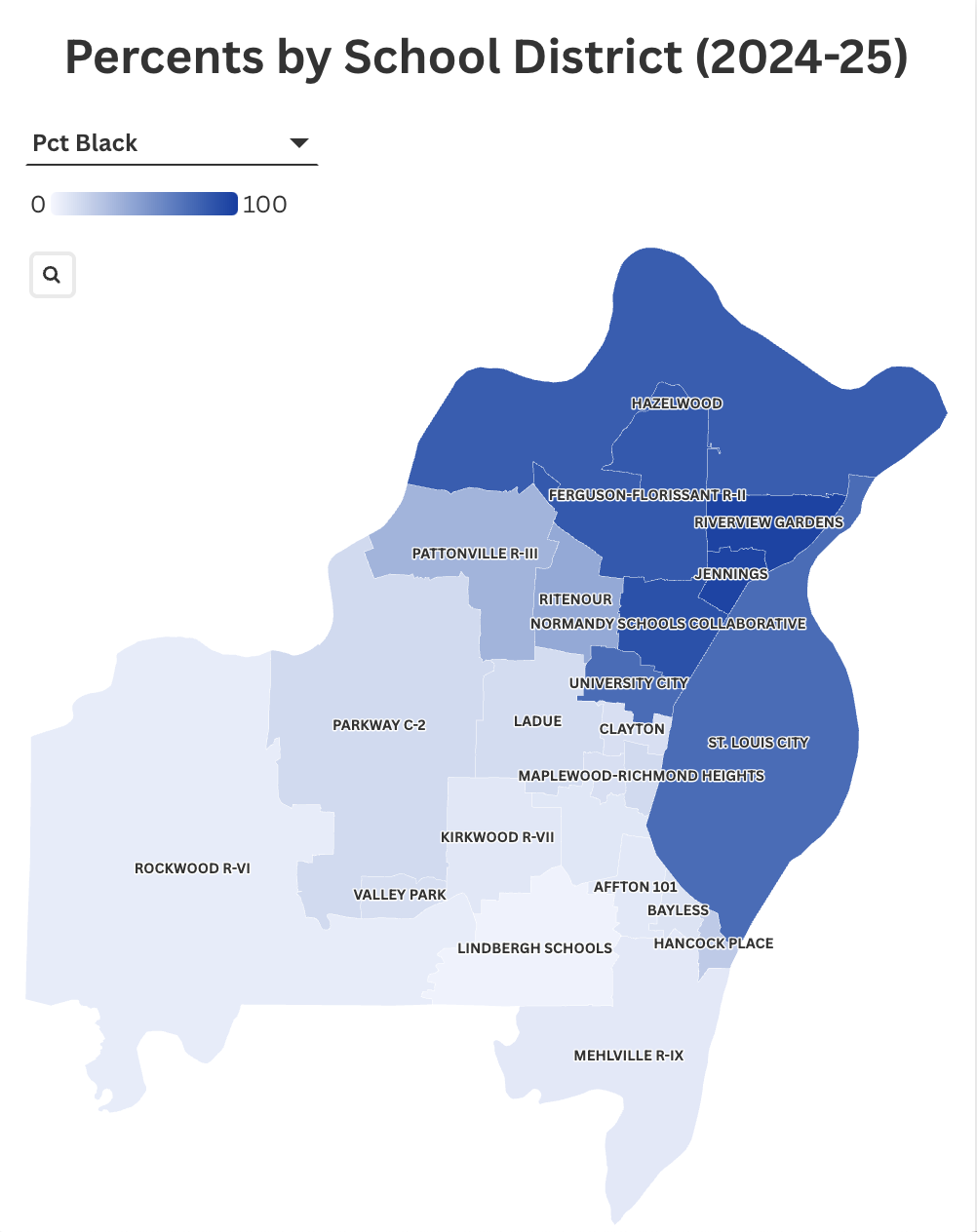
St. Louis County, Missouri is divided into 22 regular school districts that vary widely in geographic size and student enrollment, from 668 students in Valley Park to 18,595 students in Rockwood R-6 (2025–26). Student demographics and funding also differ starkly across districts. Lindbergh serves a population that is 2.7% Black, while the student population in Riverview Gardens is 96.5% Black (2024–25). And while Jennings and Clayton both serve just over 2,000 students, Jennings had $8,731 to spend per student in 2024–25, while Clayton spent $24,862. What explains the number of districts and the disparities between them?