
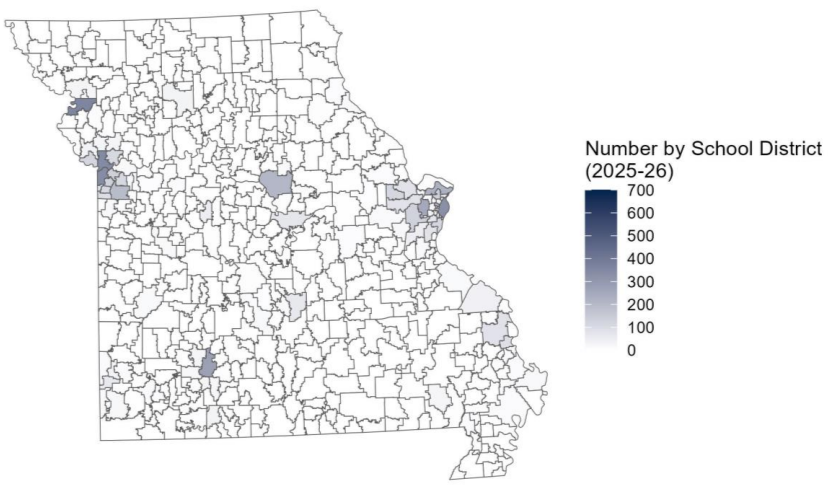
MOScholars Students by Geography: Geographic Trends of Participating Students, SY 2024-25 to 2026-27
Students who participate in the MOScholars program live across the state of Missouri. This report provides a three-year overview of participating students’ geographic location by region, locale, public school district, and legislative district. This report was prepared by the PRiME Center at Saint Louis University for the Missouri State Treasurer’s Office.
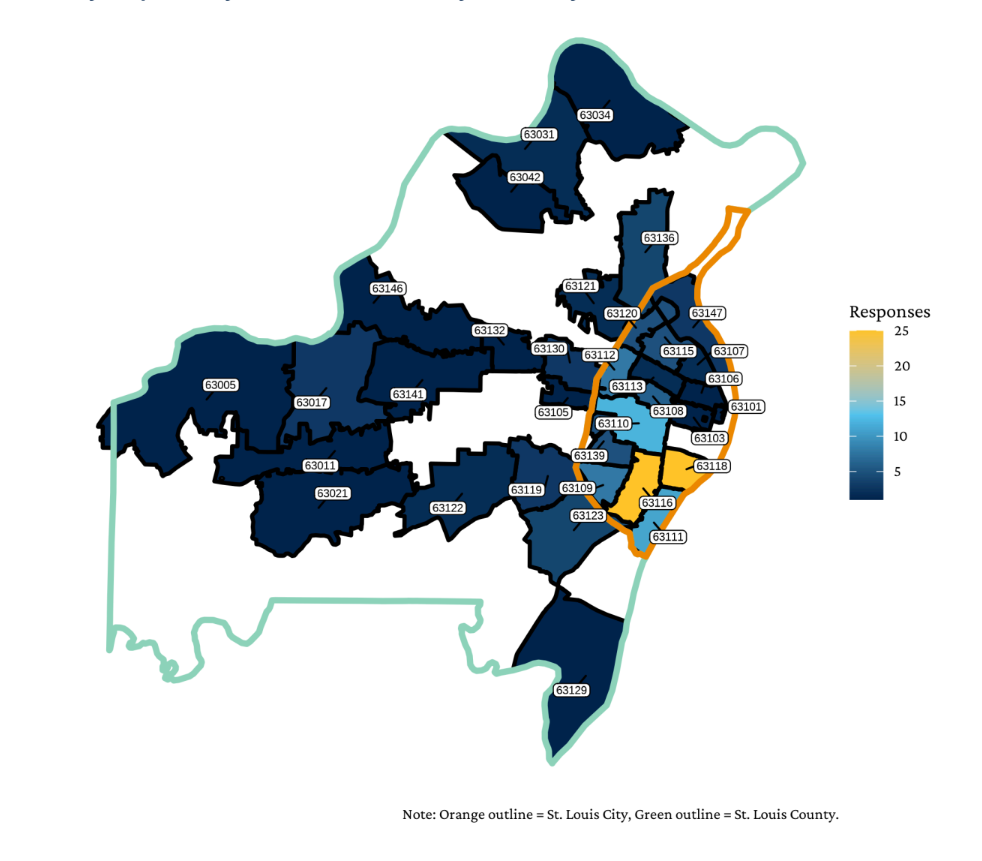
Understanding School Choice Dynamics in St. Louis: A Mixed-Methods Study of Parent Experiences and System Perspectives
Families in St. Louis navigate one of the most decentralized school choice landscapes in the United States, with options spanning district schools, charter schools, magnet programs, private and religious schools, and homeschooling. While this diversity of options expands potential opportunities for families, it also requires parents to independently navigate complex application processes, eligibility rules, transportation systems, and information sources across multiple sectors.
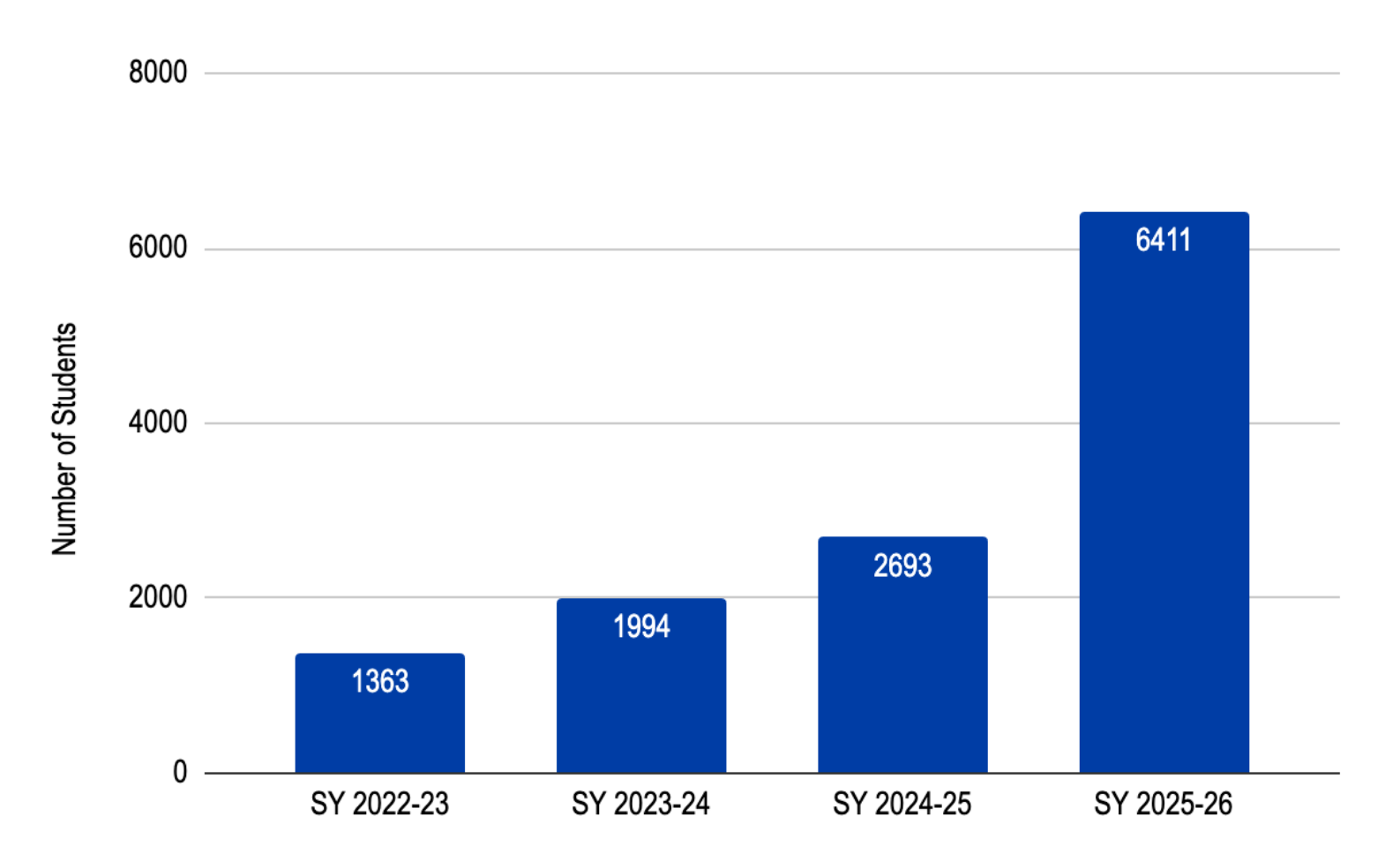
MOScholars: Program Demographics and Participation Trends, SY 2022-23 to 2025-26
MOScholars is Missouri’s education savings account (ESA) scholarship program, designed to expand access to educational opportunities for eligible students, primarily those with disabilities or from low-income households, through scholarships administered by approved Educational Assistance Organizations (EAOs). These scholarships can be used for tuition, tutoring, therapies, curriculum, and a range of other educational expenses. This report provides a four-year overview of participating student demographics in Missouri’s MOScholars program. The analysis focuses on gender, race/ethnicity, grade level, and Individualized Education Plan (IEP) status for MOScholars students overall and disaggregated by EAO. This report was prepared by the PRiME Center at Saint Louis University for the Missouri State Treasurer’s Office

Exiting Gracefully? Lessons on De-Implementing State-Appointed Governance from Literature and Stakeholder Perspectives in Missouri
The state of Missouri will soon consider transitioning back from state-appointed governance to locally elected boards in two districts in the St. Louis metropolitan area, having already done so in another. The PRiME Center reviewed the literature to find evidence-based strategies for successful transitions to local governance, as well as conducted an empirical study investigating stakeholders’ perspectives on appropriate strategies to exit state-appointed governance in Missouri school districts. The data were collected via interviews and focus groups from diverse stakeholder groups, including appointed and elected board members, administrators, educators, and parents (n=33). Thematic, emergent analysis revealed several main takeaways.